
Courses
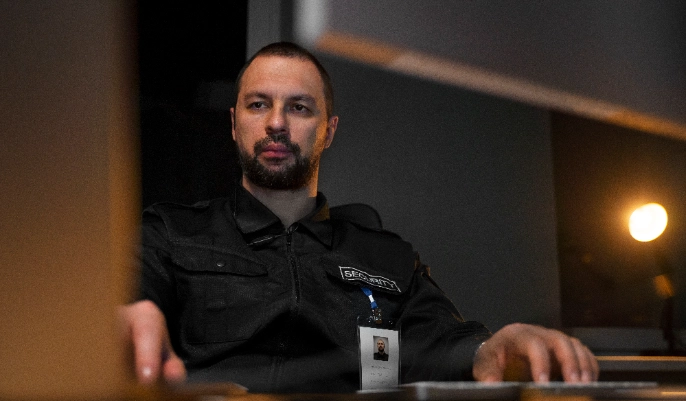
This guide is essential reading for anyone considering a career in the UK’s growing private security sector. With rising concerns around public safety, event security, retail protection, and corporate risk management, the demand for trained and licensed security professionals continues to increase across the country. From shopping centres and construction sites to festivals and office buildings, qualified security staff play a crucial role in maintaining safety and order.
In the United Kingdom, it is a legal requirement for most frontline security roles to hold a valid issued by the Security Industry Authority (SIA). Without proper licensing, individuals cannot legally work in roles such as door supervision, manned guarding, or CCTV operation. The licence serves as proof that the holder has completed approved training, passed the necessary background checks, and meets industry standards. For employers, it guarantees professionalism and compliance; for workers, it opens doors to legitimate job opportunities.
This article is designed for aspiring security guards, career changers seeking stable employment, and students exploring vocational pathways in the UK. Whether you are new to the industry or looking to formalise your experience with recognised certification, understanding the licensing process is essential.
In this guide, you will learn what the SIA licence is, the types available, eligibility requirements, training steps, costs involved, and how to start working legally in the UK security industry. By the end, you will have a clear roadmap to launching your security career with confidence.
This section begins with understanding the role of the Security Industry Authority (SIA). The SIA is the official regulatory body responsible for overseeing the private security industry in the United Kingdom. Established under the Private Security Industry Act 2001, the SIA ensures that individuals working in security roles meet strict professional and legal standards. Its main responsibility is to issue licences to qualified individuals and monitor compliance within the industry.
The Security Industry Authority is a government-approved organisation that regulates sectors such as door supervision, security guarding, CCTV operations, close protection, and other frontline security roles. It sets training requirements, conducts criminal record checks, and ensures that licence holders are fit to work in positions of trust and responsibility.
In the UK, it is a legal requirement for individuals performing designated security duties to hold a valid licence issued by the SIA. Working without one can result in severe penalties, including fines or prosecution. The licence acts as official proof that the individual has completed accredited training and passed necessary background checks.
It is important to understand that a Security SIA Licence is not the same as a general security course certificate. While training certificates demonstrate that a course has been completed, only an SIA-issued licence grants legal authority to work in regulated security roles.
Employers insist on an active licence because it guarantees compliance with UK law. It also reassures clients that security staff are professionally trained, vetted, and authorised to perform their duties safely and legally.
The Security SIA License system in the UK offers different licence categories depending on the specific role you intend to perform. Choosing the correct licence is essential, as each type authorises you to carry out particular security duties legally. Understanding these options will help you align your qualification with your career ambitions.
This is one of the most popular licences. It allows individuals to work in licensed premises such as bars, clubs, and event venues. Door supervisors are trained in physical intervention, conflict management, and emergency procedures. This licence also covers many security guarding roles, making it a versatile option.
The Security Guarding Licence is suitable for professionals working in environments such as offices, retail stores, warehouses, and construction sites. Unlike door supervisors, security guards do not typically work in licensed premises where alcohol is served.
This licence is required for individuals monitoring public or private surveillance systems. CCTV operators play a key role in crime prevention and evidence gathering, particularly in shopping centres, public areas, and transport hubs.
Designed for high-level security professionals, this licence allows individuals to work as bodyguards or personal protection officers. It requires advanced specialist training.
This category applies to those monitoring CCTV in public spaces under local authority management.
Where applicable, this licence covers wheel-clamping and vehicle immobilisation activities.
Your choice should depend on your career goals, preferred work environment, and training commitment. Research job opportunities in your area and select the licence that offers the best pathway for long-term career growth in the security industry.
The legal requirement for most individuals working in frontline roles within the UK’s private security industry. If your job involves protecting people, property, or premises, there is a high likelihood that you must hold a valid licence issued by the Security Industry Authority (SIA). Understanding who needs a licence is essential before applying for security roles.
Frontline security positions typically require licensing. These include door supervisors, security guards, CCTV operators, close protection officers (bodyguards), and cash and valuables in transit operatives. If you are directly involved in guarding premises, managing entry to venues, conducting searches, or monitoring surveillance systems, you must be licensed by law.
The SIA issues two main categories of licences: frontline and non-frontline. A frontline licence is required for individuals physically carrying out security duties. Non-frontline licences apply to managers, supervisors, or directors who oversee licensed staff but do not directly perform security tasks. The type of licence you need depends on your level of responsibility within the organisation.
Licensed security professionals are employed across various sectors, including retail, hospitality, corporate offices, construction, events management, aviation, and public transport. Demand is particularly strong in urban areas where safety and crowd management are critical.
Working without a valid Security SIA License is a criminal offence in the UK. Penalties may include significant fines, prosecution, and a criminal record. Employers who hire unlicensed staff can also face legal consequences, making compliance essential for both workers and businesses.
To apply for a Security SIA License, candidates must meet specific eligibility criteria set by the Security Industry Authority (SIA). These requirements ensure that individuals working in the UK’s private security sector are qualified, trustworthy, and legally permitted to perform their duties. Before enrolling in training or submitting your application, it is important to understand whether you meet the basic conditions.
Applicants must be at least 18 years old to apply for an SIA licence. This age requirement applies to all frontline and non-frontline roles within the regulated security industry. Proof of age will be required during the identity verification stage.
You must have the legal right to work in the United Kingdom. The SIA will check your immigration status and employment eligibility as part of the application process. Acceptable documentation may include a valid UK passport, visa, or other official proof confirming your right to work.
All applicants undergo a criminal record check to assess their suitability for holding a licence. The SIA reviews both spent and unspent convictions, depending on the role applied for. Having a criminal record does not automatically disqualify you, but serious or recent offences may affect your application outcome.
Applicants must verify their identity through an approved process. This typically involves submitting official documents and attending a verification appointment to confirm personal details.
While there is no formal English test for the licence itself, candidates must complete SIA-approved training and examinations conducted in English. A basic level of reading, writing, and communication skills is therefore essential to successfully qualify.
The Security SIA Licence Explained process can seem complex at first, but breaking it down into clear steps makes it much easier to understand. Whether you are applying for the first time or changing licence categories, following the correct procedure ensures a smooth and successful application.
Before beginning your application, identify which licence matches your intended job role. Options include Door Supervisor, Security Guarding, CCTV Operator, or Close Protection. Selecting the correct category is essential, as each licence has specific training and qualification requirements.
You must enrol in and complete a training course delivered by an SIA-approved training provider. The course content varies depending on the licence type but typically includes modules on conflict management, emergency procedures, and industry regulations.
At the end of your course, you will need to pass the relevant examinations. These assessments test your understanding of legal responsibilities, safety procedures, and professional standards. Successful completion is mandatory before you can proceed to the next stage.
Once you have passed your training, you can submit your application through the official SIA online portal. You will need to create an account, complete the application form, and pay the required fee.
The SIA will conduct identity verification and criminal record checks to assess your suitability.
If your application is successful, you will receive your licence, allowing you to legally begin work in your chosen security role.
Before applying for a Security License, completing the required training from an approved provider is mandatory. The Security Industry Authority (SIA) sets strict standards to ensure that all licence holders are properly prepared to handle real-world security situations. The training equips candidates with the knowledge, practical skills, and legal understanding necessary to work safely and professionally.
SIA-approved courses cover essential topics such as the role and responsibilities of a security officer, conflict management, communication skills, and understanding UK security laws. Candidates learn how to assess risks, respond to incidents, and protect people and property effectively. The course content varies depending on the type of licence being pursued.
Most frontline licence applicants must hold a valid Emergency First Aid at Work (EFAW) certificate before starting their practical training. This qualification teaches life-saving skills such as CPR, managing injuries, and responding to medical emergencies. It ensures that security professionals can provide immediate assistance if needed.
For those applying for a Door Supervisor Licence, physical intervention training is compulsory. This module teaches safe restraint techniques, breakaway methods, and how to minimise harm while managing aggressive situations. Practical assessments are included to ensure competence.
Training duration depends on the licence type but typically ranges from a few days to two weeks. Courses include both classroom-based theory and practical exercises.
While some theory components may be delivered online, practical elements—such as physical intervention and first aid—must be completed in person to meet SIA regulations.
If you are planning to apply, understanding the total cost involved is an important part of your preparation. While the licence can open doors to stable employment in the UK security industry, applicants must budget for training, application, and renewal expenses. The overall cost may vary depending on the licence type and training provider you choose.
The Security Industry Authority (SIA) charges a standard application fee for issuing a licence. This fee is paid directly to the SIA when submitting your online application. The licence is typically valid for three years, and the fee covers background checks and administrative processing. It is important to check the official SIA website for the most up-to-date pricing before applying.
Training costs often represent the largest expense. The price depends on the type of licence you are pursuing. For example, a Door Supervisor course may cost more than a Security Guarding course due to additional physical intervention modules. Course fees usually include training materials, assessments, and certification upon successful completion.
An SIA licence must be renewed every three years. Renewal requires paying the application fee again, and in some cases, completing refresher training. Refresher courses ensure that licence holders remain up to date with current laws, safety procedures, and industry standards.
Other potential costs may include obtaining an Emergency First Aid at Work certificate, travel expenses for in-person training, identity verification fees, and time off work during the training period. Planning ahead financially can help ensure a smooth licensing process without unexpected surprises.
Obtaining offers significant advantages for anyone seeking a stable and rewarding career in the UK’s private security industry. Beyond being a legal requirement, the licence demonstrates professionalism, competence, and commitment to industry standards. Whether you are starting out or looking to advance your career, holding a valid licence provides multiple long-term benefits.
One of the most important benefits is legal compliance. In the UK, it is a criminal offence to carry out certain security roles without a valid SIA licence. By obtaining the proper authorisation, you ensure that you are working within the law and protected from potential fines or legal consequences. Employers also prefer licensed staff to avoid penalties and maintain regulatory standards.
A valid licence significantly improves your chances of securing employment. Most security companies will not consider candidates who are unlicensed, as it is a mandatory requirement for frontline roles. Having your licence already in place allows you to apply for jobs immediately and demonstrates that you are serious about your career.
Licensed professionals often have access to better-paying roles compared to unlicensed workers. Positions such as door supervision, CCTV operation, and close protection can offer competitive wages, especially in high-demand urban areas. With experience and additional qualifications, earning potential can increase further.
Holding a licence enhances your professional reputation. It signals to employers, clients, and the public that you have completed recognised training, passed background checks, and meet national standards. This credibility can lead to career progression opportunities, including supervisory or management roles within the security sector.
Understanding the process behind the Security SIA Licence Explained guide is the first step toward building a successful career in the UK’s private security sector. Throughout this article, we have explored what the licence is, the different types available, eligibility requirements, training obligations, application steps, costs, and the benefits of becoming licensed. Each of these elements plays a vital role in preparing you for lawful and professional employment. Holding a valid Security SIA License not only ensures legal compliance but also strengthens your employability, credibility, and long-term earning potential. For aspiring security professionals, the journey may seem detailed, but with the right preparation and commitment, it is entirely achievable. Proper training and recognised certification are essential foundations for career growth in this competitive industry. If you are ready to take the next step in your professional development, consider exploring relevant online courses and career-focused programmes at OHSC (Oxford Home Study Centre) to enhance your knowledge and broaden your future opportunities.
Yes. All our Courses in Security Management are delivered online, giving you the flexibility to study from home or any suitable location.
Absolutely. Our programmes have no fixed deadlines, allowing you to complete your learning at your own pace, even alongside full-time Security Guard duties.
The listed price includes tutor support, study materials, and registration. Optional printed certificates are available for an additional fee upon request.
Yes. A dedicated tutor will be assigned to you, offering help, feedback, and guidance throughout your Security Training programme.
Yes. Our online study platform makes it possible for learners from all over the world to join our Security Courses.
Yes. Our introductory programmes are ideal for beginners and those interested in becoming a Security Guard or moving into supervisory roles.
You only need a device with Internet access. All lessons, resources, and assessments are provided digitally.
Definitely. Our Courses in Security Management include structured modules, clear explanations, and straightforward MCQ-based assessments—supported by expert tutor guidance—to help you develop strong, industry-ready skills through online study.
A foundation-level course leading to a Security Management Certificate is recommended for newcomers who want a clear introduction to the field.
Yes. Completing one of our Security Courses can support applications for positions such as Security Guard, security supervisor, operations assistant, or risk management support roles.