
Courses
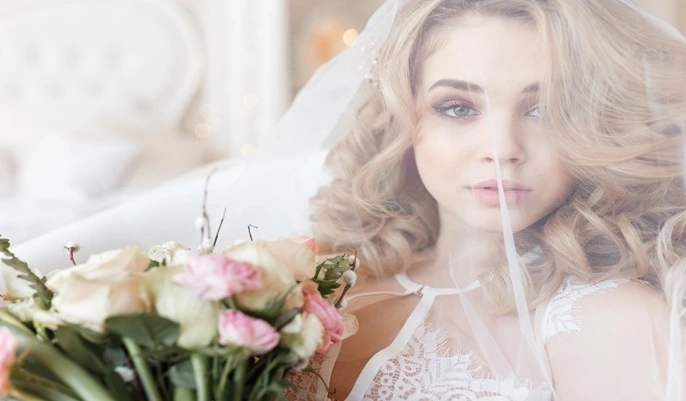
In 2026, bridal photography is no longer a simple add-on to the wedding day — it is a core part of the overall wedding experience. Couples now see photography as the primary way their story is preserved, shared, and remembered. Rather than focusing only on posed portraits, modern wedding photography captures emotion, atmosphere, and narrative, turning each wedding into a visually rich story that lives far beyond the event itself.
One of the biggest shifts has been the move away from traditional photo albums towards cinematic, shareable visual storytelling. Couples increasingly want a blend of still photography, short films, behind-the-scenes moments, and highlight reels. These visuals are designed not just for private keepsakes, but for instant sharing across digital platforms.
Social media has played a major role in this evolution. Platforms such as Instagram, TikTok, and YouTube have influenced how weddings are planned and documented. Reels, short-form videos, and digital-first content now shape expectations, with couples seeking photographers who understand pacing, storytelling, and platform-ready visuals. Even intimate weddings are planned with online sharing in mind.
Importantly, this shift means that photography trends are no longer just a concern for photographers. Wedding planners, venue managers, and bridal consultants must also understand how bridal photography works in 2026. From lighting and timelines to venue layouts and décor choices, photography now influences many planning decisions.
This guide is designed for:
Bridal photography in 2026 has shifted from simply capturing memories to creating fully immersive visual experiences. Modern weddings are now content-rich events, carefully designed to tell a story from start to finish. Couples want more than a collection of images — they want a cohesive narrative that reflects their personalities, emotions, and unique journey. As a result, bridal photography has become a key storytelling tool within the wider wedding experience.
One noticeable change is the move towards editorial-style shoots. Inspired by fashion magazines and luxury branding, these images focus on composition, lighting, and mood rather than stiff, posed moments. While traditional portraits still have their place, they are now balanced with candid, documentary-style photography that feels natural and emotionally authentic.
There has also been a strong rise in:
These moments help couples relive the full experience — not just the highlights.
To achieve this level of storytelling, visual planning has become essential. Mood boards, shot lists, and style references now guide photographers, planners, and creative teams. These tools help align expectations and ensure the final visuals reflect the couple’s vision, colour palette, and overall theme.
Wedding planners play a crucial role in this process. By coordinating timelines, locations, and aesthetics, planners ensure photographers have the right conditions to capture meaningful moments. When planners and photographers collaborate closely, the result is a seamless visual story that feels intentional and beautifully crafted.
3.1 Why Regal Aesthetics Continue to Trend
Despite the rise of minimalist and modern wedding styles, royal and luxury-themed bridal photography remains a dominant trend in 2026. Regal aesthetics offer a sense of grandeur, timelessness, and drama that translates beautifully on camera. Palace-inspired interiors, sweeping staircases, ornate ceilings, and classic architectural details create a cinematic backdrop that elevates bridal portraits.
These styles appeal to both traditional and modern brides. Traditional couples value the elegance and heritage feel, while modern brides appreciate the editorial, high-fashion look royal settings provide. Dramatic compositions, structured poses mixed with candid moments, and rich textures all contribute to images that feel both luxurious and enduring — ideal for long-term keepsakes and digital sharing alike.
3.2 Styling the Perfect Royal Shoot
Styling plays a critical role in achieving a successful royal bridal shoot. Every element must work together to enhance the sense of sophistication without overpowering the bride.
Popular styling elements in 2026 include:
Lighting is especially important. Warm, layered lighting adds depth and softness, highlighting facial features and enhancing luxurious textures. Candlelight effects and diffused lighting are often used to create an intimate yet regal atmosphere.
3.3 Venue Selection for Royal Photography
Choosing the right venue is essential for luxury bridal photography. Wedding planners should look for architectural features such as grand entrances, columns, arches, balconies, and decorative staircases. These elements provide natural framing and visual interest.
An ideal venue also offers:
Venues with flexible spaces allow photographers to create diverse visuals without rushing the schedule.
4.1 Why Water-Based Photography Is Timeless
Water has always been a powerful visual element in bridal photography, and in 2026 it continues to play a central role in creating romantic, cinematic imagery. Poolside settings, fountains, lakes, and reflective water features add softness and symmetry that elevate bridal portraits. Reflections create natural balance within the frame, while gentle movement brings a sense of calm and elegance.
Water-based photography is especially popular for digital storytelling. Its cinematic quality works beautifully for slow-motion video, reels, and highlight films. Flowing veils, drifting fabrics, and mirrored sunsets enhance emotional impact and help create visuals that feel luxurious yet effortless. These settings also suit both modern and classic bridal styles, making them a versatile choice across wedding themes.
4.2 Golden Hour Planning Essentials
Golden hour remains one of the most sought-after moments for wedding photography in 2026. The warm, diffused light creates flattering skin tones and adds depth without harsh shadows — particularly when combined with water reflections.
Key planning essentials include:
Because golden hour is short, precise coordination is essential. Even a 10–15 minute delay can dramatically change the visual outcome, making careful scheduling critical.
4.3 Planner Coordination Tips
Wedding planners play a vital role in ensuring poolside and sunset shoots run smoothly. Effective coordination includes:
Simple floral accents, neutral tones, and uncluttered surroundings help the bride remain the focal point. When planners and photographers work together, these moments become some of the most memorable visuals of the entire wedding.
5.1 Return to Organic, Natural Bridal Shoots
In 2026, there is a strong return to nature-inspired bridal photography, with couples seeking organic, romantic settings that feel relaxed and authentic. Garden shoots filled with greenery, florals, and natural textures offer a refreshing contrast to formal interiors and dramatic luxury setups. These environments bring a sense of calm and intimacy, allowing genuine emotions to take centre stage.
Nature-infused shoots favour candid, emotional imagery over rigid posing. Laughter, movement, quiet moments, and natural interactions are encouraged, creating photographs that feel personal and timeless. Rustic elegance — think floral arches, soft draping, and natural materials — blends beautifully with modern bridal styling, making garden settings suitable for both classic and contemporary weddings.
5.2 Best Seasons & Lighting for Garden Shoots
Timing is crucial for successful outdoor bridal photography. Spring and early summer remain the most popular seasons due to fresh blooms, vibrant greenery, and mild weather. These months offer the ideal balance of colour and light without the harsh conditions of peak summer.
Lighting considerations include:
Overcast days can also be beneficial, acting as natural diffusers that create even, soft lighting across the scene.
5.3 Practical Planning Considerations
Garden shoots require thoughtful planning to ensure comfort and smooth execution. Wedding planners should account for:
By addressing these practical details in advance, planners help create a relaxed environment where brides can move freely and naturally — resulting in more authentic and emotionally rich imagery.
6.1 Blending Tradition with Modern Visual Techniques
In 2026, bridal photography increasingly celebrates cultural identity through thoughtful storytelling that blends tradition with modern visual techniques. Rather than treating cultural elements as background details, photographers now place them at the heart of the narrative. Jewellery, dupattas, heirlooms, ceremonial props, and traditional attire are captured with intention, highlighting their meaning as well as their beauty.
Modern approaches use cinematic framing, creative angles, and controlled lighting to elevate these elements. Close framing, slow-motion video, and dramatic compositions help transform rituals and traditions into powerful visual moments. This fusion allows couples to honour their heritage while still achieving contemporary, editorial-style imagery that feels relevant and shareable.
6.2 Emotional & Symbolic Close-Ups
Detail-focused imagery has become a key feature of heritage-driven bridal shoots. Emotional and symbolic close-ups add depth to the visual story, capturing the significance behind each element rather than just its appearance.
Popular focus areas include:
These close-ups preserve emotional connections to family, culture, and tradition. They also help tell a layered story — one that connects generations and gives context to the wider celebration.
6.3 Planner’s Role in Cultural Accuracy
Wedding planners play a crucial role in ensuring cultural elements are represented accurately and respectfully. This includes educating photographers about the meaning, sequence, and importance of specific rituals. Without this understanding, key moments can be missed or misrepresented.
Planner responsibilities often include:
By guiding the creative team, planners help photographers capture authentic moments without disrupting traditions. This collaboration ensures cultural fusion is not just visually striking, but meaningful and true to the couple’s heritage.
7.1 Why Indoor Shoots Are Growing in 2026
In 2026, indoor bridal photography is growing in popularity as couples and planners seek greater control and consistency. One of the biggest advantages is weather reliability. Indoor shoots eliminate concerns around rain, heat, wind, or harsh sunlight, allowing photographers to work without interruption and maintain a calm, predictable schedule.
Indoor settings also lend themselves perfectly to editorial, magazine-style imagery. Carefully styled interiors, controlled lighting, and curated décor help create polished visuals that feel luxurious and timeless. These environments allow photographers to focus on composition, texture, and mood — producing images that resemble high-end fashion editorials rather than traditional wedding portraits.
7.2 Ideal Indoor Photography Zones
Not all indoor spaces are equally effective for bridal photography. The best venues offer a variety of visually interesting zones that provide depth and versatility within a single location.
Highly effective indoor photography areas include:
Windows, skylights, and neutral colour palettes further improve image quality by softening shadows and highlighting details.
7.3 Planning for Indoor Perfection
Successful indoor shoots rely on careful planning. Wedding planners should coordinate with photographers to conduct lighting checks in advance, noting how natural and artificial light changes throughout the day. Adequate space for the photography crew is also essential to allow freedom of movement and equipment setup.
Additional considerations include:
When planners anticipate these needs, indoor bridal portraits become seamless, stress-free, and visually striking.
8.1 Rise of Emotion-First Bridal Photography
In 2026, bridal photography is increasingly centred on emotion rather than perfection. Couples are prioritising genuine reactions over stiff, posed images, valuing photographs that reflect how the day felt, not just how it looked. This emotion-first approach focuses on laughter, anticipation, quiet nerves, and heartfelt exchanges — moments that create lasting emotional impact.
Photographers now aim to capture feeling over form. Slight imperfections, spontaneous expressions, and natural interactions are embraced because they tell a more honest story. These images resonate deeply with couples and audiences alike, especially in a digital age where authenticity matters more than polished presentation.
8.2 Movement as a Visual Tool
Movement has become a powerful storytelling element in modern wedding photography. Rather than asking brides to hold static poses, photographers encourage motion to create energy and flow within images.
Popular techniques include:
Movement brings images to life, creating depth and cinematic quality. It also helps brides relax, resulting in more natural expressions and authentic moments.
8.3 Planner Coordination & Shot Timing
Wedding planners play a key role in supporting emotion-driven photography. Preparing couples in advance helps them understand that the goal isn’t perfection — it’s presence. When couples feel comfortable, genuine moments unfold naturally.
Effective coordination includes:
This flexibility allows photographers to capture unscripted, meaningful moments without pressure.
9.1 Why Aerial Perspectives Matter
In 2026, drone bridal photography has become a powerful storytelling tool, offering perspectives that ground-level shots simply cannot achieve. Aerial views capture scale, symmetry, and grandeur, transforming weddings into cinematic experiences. These elevated angles are especially impactful for large venues, heritage properties, and destination weddings where surroundings play a major role in the visual narrative.
From above, photographers can showcase architectural patterns, landscape design, and coordinated décor in a single frame. This perspective adds context, highlighting how the couple fits into the wider setting — a key element of modern wedding photography that focuses on experience as much as emotion.
9.2 Best Use Cases
Drone and elevated-angle shots are most effective when used selectively and with purpose. Common and visually striking use cases include:
These shots work particularly well for cinematic reels, opening sequences, and highlight films. When combined with ground-level emotion-driven imagery, aerial footage adds balance and visual depth to the overall story.
9.3 Planning, Permissions & Safety
Successful drone photography requires careful planning and coordination. Wedding planners must ensure all local regulations are followed, including permits and no-fly zone restrictions. Safety is always a priority — both for guests and the venue.
Key planning considerations include:
By addressing permissions and logistics in advance, planners ensure drone photography enhances the experience without adding stress.
10.1 Venue-First Visual Planning
In 2026, successful bridal photography planning starts with the venue. Wedding planners should assess locations not just for capacity and logistics, but for visual potential. Every venue has natural photography zones — such as entrances, staircases, gardens, balconies, or textured interiors — and identifying these early helps shape the entire visual plan.
Matching photography trends to the right locations is equally important. For example, royal-themed portraits suit grand interiors, while movement-led or garden glamour styles work best outdoors. When planners think visually from the start, wedding photography becomes more intentional and cohesive.
10.2 Collaboration with Photographers
Strong collaboration between planners and photographers is essential for seamless results. Pre-wedding meetings allow both sides to align on expectations, timing, and creative priorities. These discussions help photographers understand the flow of the day, while planners gain insight into what’s needed for optimal shots.
Best practices include:
This collaboration reduces pressure on the day and ensures no important moments are missed.
10.3 Practical Planning Checklist
A clear checklist helps planners support photographers while keeping the day stress-free:
These practical steps create the conditions for authentic, high-quality imagery.
When planners lead with visual awareness, photography becomes a seamless part of the experience rather than an afterthought.
In 2026, the venue is no longer just a setting for the wedding — it’s a central character in the bridal photography story. As couples place greater value on visual storytelling, photography-friendly venues have become a major deciding factor when choosing where to celebrate. Venues that offer variety, flexibility, and visual depth consistently deliver stronger, more memorable imagery.
One of the biggest distinctions planners now consider is multi-zone venues versus single-backdrop spaces. A single beautiful room may look impressive in person, but it can quickly feel repetitive in photographs. Multi-zone venues, on the other hand, allow photographers to create diverse looks without changing locations, keeping the visual narrative fresh and dynamic.
The most in-demand venues typically offer:
This combination supports multiple photography trends within one venue, from sunset romance to indoor luxury and cultural storytelling.
For wedding planners, photography-friendly venues also present a clear upselling opportunity. By explaining how varied spaces lead to richer photo galleries, cinematic reels, and better social media content, planners can demonstrate added value to couples. Highlighting lighting conditions, seasonal advantages, and visual flexibility helps clients see the venue as an investment in their memories — not just a location.
As photography continues to shape how weddings are remembered and shared, venues designed with visuals in mind will remain highly desirable.
As we move further into 2026 and beyond, wedding planning is becoming increasingly content-driven. Photography is no longer limited to final albums delivered weeks later — couples now expect instant, shareable visuals that reflect the energy of the day. This shift requires planners to adapt their approach and plan with content creation firmly in mind.
One of the most significant changes is the rise of short-form video, including reels, teasers, and highlight clips designed for social platforms. These formats demand tighter timelines, intentional transitions, and visually dynamic moments. Planners must now think about how entrances, exits, first looks, and key rituals translate into engaging video content.
There is also growing demand for faster edits and previews. Same-day highlights and next-day teasers are becoming standard expectations rather than premium extras. This impacts scheduling, lighting, and coordination, as photographers and videographers need dedicated windows to capture and process content quickly.
Another major shift is the move towards hybrid photography and videography planning. Boundaries between stills and video are blurring, with teams working collaboratively to avoid overlap and ensure both formats are captured effectively. Planners play a key role in balancing these needs without disrupting the flow of the day.
Ultimately, couples now expect “content-ready” weddings — events designed to look exceptional on camera from every angle. This means planners must consider lighting, movement, transitions, and visual pacing as part of their core planning process.
Bridal photography trends in 2026 offer powerful inspiration, but they are most effective when used as tools — not rigid rules. From royal luxury and garden glamour to emotion-led storytelling and cinematic video, trends should always serve the bride’s personality, culture, and vision. The most memorable wedding imagery doesn’t come from following every trend, but from selecting the right elements that reflect who the couple truly are.
This is where wedding planners play an increasingly important role. Today’s planners are not just organisers — they are visual curators, shaping how a wedding is experienced, captured, and remembered. By aligning venues, timelines, lighting, styling, and creative teams, planners create the conditions for authentic moments to unfold naturally. When creativity, logistics, and emotion work together, photography becomes seamless rather than staged.
Great planning allows photographers to focus on storytelling, movement, and feeling — turning fleeting moments into lasting visual narratives. Whether it’s a quiet glance, a cultural ritual, or a dramatic sunset shot, these moments become part of a couple’s lifelong story.
The final takeaway is simple but powerful: thoughtful planning transforms beautiful moments into unforgettable visual legacies. By understanding trends, respecting individuality, and collaborating closely with creative teams, planners and professionals can ensure every wedding is not just well organised — but timelessly captured.
Yes. All our Wedding Planner Courses Online are delivered 100% remotely, allowing you to begin your training from home, your office, or anywhere you feel inspired.
Absolutely. Our online wedding planning courses are fully self-paced, meaning you choose when and how often you study, with no deadlines to worry about.
No hidden charges apply. Your course fee includes complete study materials, tutor support, and registration. Optional certificate upgrades are available but never required.
You’ll have access to a dedicated tutor who will guide you through assignments, explain key concepts, and support you throughout your chosen programme.
Yes. Students from around the world enrol in our Wedding Planner Courses Online, as all materials and assessments are available globally.
Yes. Our wedding planning courses start with beginner-friendly modules that introduce the fundamentals of planning, coordination, budgeting, and client communication.
Just a device with Internet access. All study content and assignments are provided digitally within your course.
Definitely. Our wedding planning courses online use practical examples, helpful templates, and real-world scenarios—combined with simple MCQ-based assessments—to help you understand how to design and manage successful events from anywhere.
If you’re exploring the industry, start with a basic introduction. Learners aiming for professional roles may prefer more detailed Online Wedding Planner Courses that cover logistics, venue management, and client handling.
Yes. Completing one of our online wedding planning courses can support careers in wedding coordination, event styling, venue assistance, or even launching your own planning business.