
Courses
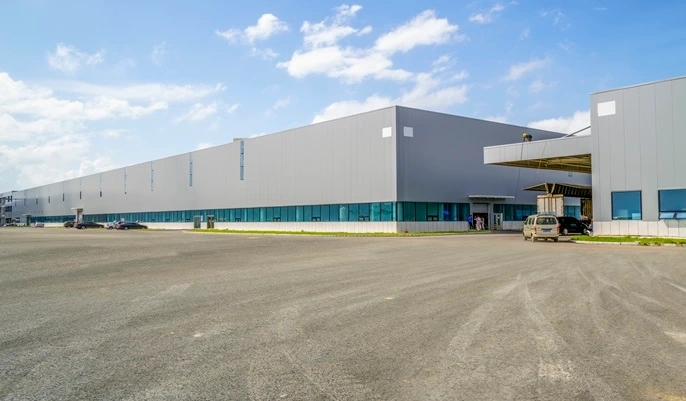
Oxford Home Study Centre provides flexible online learning for people exploring logistics, supply chain and warehouse careers. This guide explains what common warehouse positions involve, how responsibilities differ between operational and management roles, and what employers may look for when recruiting.
If you are comparing study routes as well as job roles, use the OHSC course catalogue to review current programmes. For subject-specific study, the warehouse logistics training courses and supply chain courses online sections provide more focused options. This article remains a career guide rather than a substitute for an individual course record or an employer’s job description.
A useful Warehouse Positions Description should do more than list job titles. Modern warehouses bring together receiving, storage, picking, packing, stock control, dispatch, equipment operation, systems, supervision and safety. The exact mix depends on the employer, the products handled, the size of the site and the technology in use.
Warehouses range from small stockrooms to large distribution centres, so job titles vary considerably. Some roles focus on physical handling and order fulfilment, while others concentrate on inventory accuracy, administration, systems, coordination or people management. One organisation may separate these duties into specialist teams; another may combine several responsibilities within one position.
Warehouse operative / picker: Receive, move, pick, pack and prepare goods for dispatch; check stock and paperwork; keep work areas safe and organised.
Goods-in / receiving operative: Accept deliveries, compare goods with documentation, identify damage or shortages and move accepted stock into the correct storage process.
Picker / packer: Locate ordered items, check quantities, package goods securely and prepare orders for despatch or carrier collection.
Stock control assistant: Monitor stock levels and locations, investigate discrepancies, support cycle counts and help maintain accurate inventory records.
Forklift or materials-handling operator: Move, stack and retrieve goods using authorised equipment after appropriate training and site approval.
Warehouse administrator: Handle records, order information, delivery paperwork, system updates and communication between warehouse, transport and customer-service teams.
Team leader / shift supervisor: Coordinate a team, allocate work, monitor output and quality, address operational issues and support safe working practices.
Warehouse manager: Plan and coordinate warehouse operations, people, stock, space, safety, service levels and links with suppliers, transport providers and other departments.
Warehouse operatives are often closest to the physical flow of goods. A typical shift can involve receiving deliveries, moving stock to storage locations, picking customer or production orders, packing items, checking labels and preparing goods for dispatch. The National Careers Service also describes warehouse work as involving stock checks, safe storage, loading and unloading, and the use of basic computer or handheld systems.
Accuracy matters because an apparently small error can create problems later. Picking the wrong quantity may lead to a customer complaint; putting stock in the wrong location can delay future orders; failing to identify damaged goods can affect quality and returns. Operational roles therefore require more than speed. They call for attention to detail, safe manual handling, clear communication and the discipline to follow site procedures consistently.
Many sites operate shifts, and busy periods can increase the pace of work. People considering warehouse employment should read each job description carefully for working hours, physical demands, environmental conditions and any equipment requirements. Some workplaces may be cold, noisy or highly automated, while others may involve more manual handling or outdoor loading areas.
Goods-in teams sit at a critical point between suppliers and warehouse storage. Their work may include checking delivery documentation, counting or scanning items, identifying shortages, recording damage and directing accepted goods to the correct location. When receiving is inaccurate, the inventory record can be wrong before stock even reaches the shelf or rack.
Stock-control positions focus more heavily on inventory accuracy. Typical tasks can include cycle counting, investigating discrepancies, checking product locations, monitoring stock status and supporting reconciliations between physical stock and the warehouse system. These roles often suit people who enjoy structured problem-solving and working with data as well as physical stock.
Inventory accuracy supports purchasing, production, order fulfilment and customer service. A warehouse may appear to hold enough stock on paper, but if the items cannot be found or the recorded quantity is wrong, the business can still miss orders. This is why stock-control work connects operational discipline with wider supply-chain performance.
Some warehouse positions involve powered equipment such as forklift trucks, reach trucks or other materials-handling machinery. These duties are safety-critical. Equipment should only be operated by people who have received suitable training and are authorised to use the specific equipment under the employer’s procedures.
The National Careers Service notes that forklift drivers may carry out equipment checks, load and unload goods, move stock into storage bays and complete stock-control paperwork. Training requirements depend on the equipment and workplace. A general online warehouse course can support background knowledge, but it does not replace practical equipment training, employer authorisation or workplace safety procedures.
Warehouse manager positions move beyond completing individual tasks to coordinating the whole operation. The manager may need to balance labour, stock, space, inbound deliveries, outbound orders, safety, quality and service targets at the same time. In larger sites, the role can include several supervisors and specialist teams; in smaller operations, the manager may be directly involved in day-to-day problem solving.
Typical management responsibilities can include:
planning staffing and shift coverage according to workload;
coordinating loading, unloading, storage, picking and dispatch activity;
monitoring stock levels, storage capacity and inventory accuracy;
working with suppliers, transport providers, customers and internal departments;
overseeing recruitment, induction, training and performance;
reviewing productivity, quality, service and safety information;
investigating operational problems and improving processes;
carrying out or coordinating health and safety checks and ensuring procedures are followed.
The National Careers Service describes warehouse managers as planning and coordinating operations at distribution centres, large stores and factories. Entry can come through higher education, college, apprenticeships, progression from warehouse roles or direct application where relevant management experience is already present. This means there is no single route into warehouse management.
Different positions require different levels of technical and managerial ability, but several capabilities appear repeatedly across warehouse work.
Accuracy and attention to detail: Checking quantities, labels, product locations and documentation helps prevent avoidable errors.
Organisation: Workers need to manage tasks, priorities and locations efficiently, especially when several orders or deliveries are active.
Communication: Clear handovers and updates reduce confusion between warehouse, transport, purchasing, customer-service and management teams.
Teamwork: Warehouses depend on coordinated activity. One delay or mistake can affect colleagues further along the process.
Digital confidence: Handheld scanners, warehouse management systems, spreadsheets and other software are common in modern operations.
Problem-solving: Damaged stock, missing items, urgent orders, equipment issues and space constraints require practical responses.
Safety awareness: Employees must follow site rules, use equipment correctly and report hazards or unsafe conditions.
Leadership: Supervisors and managers need to allocate work, support people, handle performance issues and make decisions under pressure.
Warehouse jobs increasingly combine physical activity with digital systems. Warehouse management systems can record stock locations, order status and stock movements, while barcode scanners and mobile devices can reduce manual data entry.
Technology changes tasks rather than removing the need for people. Staff still need to recognise incorrect data, respond to exceptions and make decisions when normal processes break down. Managers also need to interpret performance information and act on it.
Automation also changes skill requirements. Supervisors may need to combine people management with system monitoring, while managers may need stronger confidence with inventory data, capacity planning and process improvement.
Warehouse environments can involve vehicles, racking, lifting equipment and busy pedestrian routes. Employees should follow employer training and risk controls, use required protective equipment, report hazards and avoid operating machinery without authorisation.
Physical demands vary. Some roles involve regular lifting, standing and walking; others are more administrative or supervisory. Check each vacancy carefully for shifts, temperature-controlled storage, working at height or repetitive handling.
Online learning can explain warehouse concepts, inventory processes and management principles, but it cannot replace site-specific safety induction or practical competence where a job requires it. Employers remain responsible for workplace arrangements, while employees must follow the instructions and controls relevant to their role.
Entry-level warehouse work is accessible through several routes. The National Careers Service notes that warehouse workers may enter through an apprenticeship or direct application, and that some employers do not require formal qualifications for operational posts. Experience in storage, delivery or similar work can help, while basic English, maths and IT skills may be useful depending on the job.
A practical approach for beginners is to compare vacancies in the local market and note which requirements appear repeatedly. Some employers may prioritise reliability, shift availability and physical capability; others may ask for experience with scanners, stock systems or particular equipment. This gives you a clearer picture of the gap between your current experience and the roles you want to target.
Learners who want introductory subject knowledge before applying can review OHSC’s free online logistics and supply chain courses. Free study can help you understand terminology and processes, but it should be presented accurately on a CV and should not be described as practical workplace authorisation unless the course specifically provides that status.
Warehouse careers can develop through experience, broader responsibility and formal study. The National Careers Service gives a clear example of progression from warehouse operative to supervisor, and identifies team leader, shift supervisor and warehouse manager as possible next steps. Progression is not automatic, but there are practical ways to prepare for it.
Learn the full warehouse flow rather than only your own task. Understand how receiving, stock control, picking, packing and dispatch connect.
Build a record of reliability and accuracy. Consistent performance is often more valuable than occasional speed.
Volunteer for responsibilities such as training new starters, helping with counts or supporting process changes when appropriate.
Develop system skills. Confidence with warehouse software, spreadsheets and reporting can support progression into coordination roles.
Learn to communicate problems with evidence. Managers need to explain what happened, what the impact was and what action is needed.
Study supervision, logistics or warehouse-management concepts when a role requires broader operational understanding.
Training should be chosen according to the role you are targeting. Someone seeking an entry-level warehouse position may benefit most from understanding basic operations and gaining relevant workplace experience. Someone preparing for supervision may need stronger knowledge of stock control, planning, team coordination and performance measures. A future warehouse manager may also need business, leadership and supply-chain knowledge.
OHSC’s warehouse logistics training courses cover warehousing and logistics study at different levels, while the supply chain course collection provides broader routes into logistics, inventory and supply-chain topics. Check the individual course page for the current syllabus, level, study format, assessment and certificate status before enrolling.
A course can support knowledge development, but employers may still require experience, equipment training, site-specific competence or other evidence. Avoid choosing a course solely because the title sounds senior. Match the content and level to the actual responsibilities of the job you want.
Warehouse job titles are not standardised, so the duties section matters more than the title alone. Before applying, separate the vacancy into four areas:
Core tasks: what you will actually do each day.
Essential requirements: qualifications, licences, shift availability or experience the employer says are necessary.
Desirable requirements: useful extras that may strengthen an application but are not mandatory.
Working conditions: shift pattern, physical demands, location, equipment, temperature or travel expectations.
Then tailor your application to the essential requirements. Use concrete examples of accuracy, teamwork and problem-solving, and be honest about systems you have not used while highlighting related software experience.
It is an explanation of the main warehouse job types, the duties attached to them and the skills or experience employers may expect. Because titles vary between organisations, the specific vacancy should always be read carefully.
Common examples include warehouse operative, picker, packer, goods-in assistant and stock assistant. Some employers recruit directly into these roles, while apprenticeships can also provide an entry route.
Typical work can include receiving deliveries, moving goods to storage, picking and packing orders, checking stock, preparing dispatches and using handheld or computer systems to record activity.
Warehouse managers coordinate operations, staffing, stock, storage space, deliveries, safety, service and performance. They may also work with suppliers, transport companies, customers and other departments.
Requirements vary. Some operational roles may not require formal qualifications, while supervisory and management positions may ask for experience, relevant study or stronger technical and leadership skills.
Not for every warehouse job. Some roles involve no powered equipment. Where forklift operation is required, suitable practical training and employer authorisation are important. A general online course does not replace equipment-specific training.
Yes, progression can happen through experience, team-leader or supervisor roles, broader responsibilities and further training. The route and pace depend on the employer, performance, available opportunities and the skills developed.
Accuracy, organisation, teamwork, communication, safety awareness and basic digital confidence are useful across many roles. Management positions also require leadership, planning, problem-solving and performance monitoring.
Some are. Operational roles may involve standing, walking, lifting or repetitive handling, while administrative and management roles may involve less physical work. Check the specific job description and working environment.
They can support knowledge of warehousing, inventory and logistics, but they do not guarantee employment or replace practical workplace training. Choose study according to the role you want and verify the exact course status before enrolling.
Warehouse careers cover far more than moving boxes. Modern operations depend on accurate receiving, organised storage, reliable stock data, safe equipment use, effective supervision and coordination with the wider supply chain.
Start by reading real vacancies and comparing duties, entry requirements, working conditions and progression routes. If you choose further study, use it to close a specific knowledge gap and make sure the syllabus matches your career objective.
No. All Supply Chain Courses Online are delivered through our virtual learning platform, allowing you to study entirely from home.
There are no deadlines or expiry dates. You can take as much time as you need, progressing at your own pace.
Yes. The published fee includes tutor support, digital study materials, and registration. Optional certificate upgrades are available but not compulsory.
Yes. A dedicated tutor is assigned to every learner, offering feedback, clarification, and help with more complex Supply Chain topics.
Absolutely. Our Logistics and Supply Chain Management Courses Online are open to students worldwide.
What is Supply Chain Management?It is the coordination of sourcing, production, transportation, and delivery of goods. Effective management ensures cost efficiency, smooth operations, and customer satisfaction.
Yes. Our introductory modules explain key processes step-by-step, making them ideal for newcomers exploring the field for the first time.
A computer or mobile device with Internet access is all you require. All course content is supplied online and can be accessed instantly after enrolment.
Learners aiming for structured professional growth often select our Supply Chain Management Certification Online Programs, which provide broader knowledge for career advancement.
Yes. Completing one of our Logistics and Supply Chain Management Courses Online can support careers in procurement, warehousing, transport coordination, distribution, and supply chain support roles.