
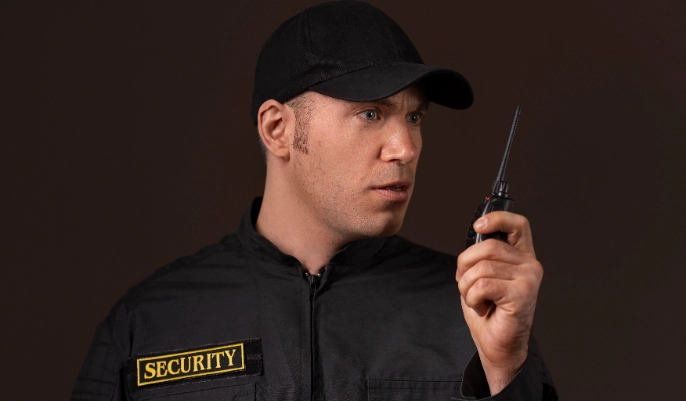
SIA Badge Course: How to Get your Official Security Badge
Security trainees working in a control room during SIA badge course training for official UK security badge certification
Security professionals in a modern office setting illustrating practical learning and assessment stages in SIA badge courses for UK licensing.

SIA Badge Course: How to Obtain your Official Security Badge

The sia badge course is the first essential step toward obtaining your official security badge and working legally in the UK’s private security  management industry. As demand for professional security services continues to grow across retail, corporate, construction management, hospitality, and public sectors, properly trained and licensed security personnel are more important than ever. The industry plays a vital role in maintaining public safety, protecting property, and managing risk in a wide range of environments.

Overview of the UK Private Security Industry

The UK private security sector is regulated by the Security Industry Authority (SIA), which sets national standards for training and licensing. Security professionals work in diverse roles, including door supervision, security guarding, CCTV monitoring, close protection, and event security. With increasing security needs across multiple industries, qualified individuals have access to stable employment and long-term career opportunities.


What the SIA Security Badge Represents

The SIA security badge represents official authorisation to perform regulated security duties. It confirms that the holder has completed approved training, passed required assessments, and undergone background checks. Employers rely on this badge as proof of professionalism, competence, and legal compliance.

Why Completing an Approved Course Is Essential

Completing approved training is mandatory before applying for your badge. Without recognised certification, individuals cannot legally work in most frontline security roles. Proper training ensures you understand legal responsibilities, safety procedures, and professional conduct standards.

What You Will Learn in This Guide

In this article, you will learn about the different badge options available, entry requirements, training expectations, costs, and the step-by-step process to obtain your official security badge in the UK.


SIA Badge Course Explained: What Is an SIA Security Badge?

The SIA badge courses are designed to prepare individuals for obtaining an official SIA security badge, which serves as a legal licence to work in the UK’s private security sector. The badge is more than just identification—it represents government-authorised approval to carry out specific security duties. Understanding what the badge is and how it differs from training certification is essential before starting your career.

Role of the Security Industry Authority (SIA)

The Security Industry Authority (SIA) is the regulatory body responsible for overseeing the private security industry in the United Kingdom. It sets training standards, approves course providers, conducts background checks, and issues licences to qualified applicants. The SIA’s primary aim is to protect the public by ensuring that security professionals are properly trained and vetted.

Training Certificate vs Official Badge

Completing a trainer course results in a certificate that confirms you have passed the required assessments. However, this certificate alone does not permit you to work legally. After completing training, you must apply to the SIA for your official licence (badge). Only once the badge is issued are you authorised to work in regulated roles.


Legal Requirement to Hold a Valid Badge

In the UK, it is a criminal offence to perform certain security duties without a valid SIA licence. Employers are also legally required to ensure their staff hold active licences before assigning security responsibilities.

Frontline vs Non-Frontline Licences

Frontline licences are required for individuals directly carrying out security duties, such as guarding or door supervision. Non-frontline licences apply to managers or supervisors who oversee operations but do not physically perform security tasks.


Types of SIA Badge Courses Available in the UK

The sia badge course options available in the UK are designed to prepare candidates for specific licensed roles within the private security industry. Each course leads to a different type of SIA badge, depending on the duties you intend to perform. Choosing the correct pathway is essential to ensure you meet legal requirements and align your qualification with your career ambitions.


Door Supervisor Badge Course

The Door Supervisor course is one of the most popular options. It qualifies individuals to work in licensed premises such as bars, nightclubs, and event venues. Training includes conflict management, physical intervention techniques, and emergency procedures. This badge is versatile and may also allow holders to work in general security roles.

Security Guarding Badge Course

The Security Guarding course is suitable for those working in offices, retail stores, warehouses, and construction sites. The focus is on patrolling, access control, monitoring premises, and incident reporting. It does not include physical intervention training required for door supervisors.

CCTV Operator Badge Course

This course prepares candidates to monitor surveillance systems in public and private environments. It covers legal responsibilities, data protection regulations, and effective observation skills.

Close Protection Badge Course

The Close Protection course is an advanced qualification for those aiming to work as bodyguards or personal protection officers. It requires intensive training and high levels of professionalism.

Public Space Surveillance Licence

This licence applies to individuals monitoring CCTV in public areas managed by local authorities.

Choosing the Right Badge Course

Your choice should depend on your preferred work environment, level of responsibility, and long-term career goals within the security sector.


Who Needs to Take SIA Badge Courses?

They essential for individuals who wish to work legally in regulated security roles within the United Kingdom. If your job involves protecting people, property, or assets, you are likely required by law to hold a valid SIA licence (badge). Understanding who needs this qualification is crucial before seeking employment in the private security sector.

Roles That Legally Require Licensing

Frontline security roles require official licensing. These include door supervisors, security guards, CCTV operators, close protection officers, and cash-in-transit personnel. Anyone directly performing security duties such as controlling access, conducting patrols, managing crowds, or monitoring surveillance systems must hold a valid badge issued by the Security Industry Authority.

Industries Hiring Licensed Security Professionals

Licensed security staff are employed across a wide range of industries. Retail businesses rely on guards to prevent theft and ensure customer services. Construction companies require site security to protect equipment and materials. Corporate offices, entertainment venues, public events, airports, and transport hubs also depend on trained professionals to maintain order and manage risks. The demand for qualified personnel continues to grow as organisations prioritise safety and compliance.

Consequences of Working Without an SIA Badge

Working in a regulated security role without a valid SIA licence is a criminal offence in the UK. Individuals may face significant fines, prosecution, or a criminal record. Employers who hire unlicensed staff can also face serious legal penalties. Completing the required training and obtaining the proper licence not only ensures legal compliance but also strengthens your credibility and employability within the security industry.


Entry Requirements for an SIA Badge Course

The specific entry requirements that applicants must meet before enrolling in training and applying for their official licence. These requirements are set to ensure that individuals entering the private security industry are legally eligible, capable of completing the training, and suitable for positions of responsibility. Understanding these criteria in advance can help you prepare properly and avoid delays.

Minimum Age Requirement

Applicants must be at least 18 years old to enrol in SIA badge courses. This minimum age applies to all frontline security roles, including door supervision, security guarding, CCTV operation, and close protection. Proof of age will typically be required during registration and licence application.

Right to Work in the UK

To successfully apply for your SIA licence after training, you must have the legal right to work in the United Kingdom. Acceptable documentation may include a valid UK passport, visa, or official immigration documents confirming employment eligibility.

Criminal Record Checks

All licence applicants are subject to criminal background checks conducted by the Security Industry Authority. Certain convictions may affect eligibility, depending on their nature and seriousness. Each case is assessed individually to determine suitability.

English Language Proficiency

Since training materials and skills assessments are delivered in English, candidates must have a basic level of reading, writing, and communication skills. This ensures they can understand legal responsibilities and safety procedures.

Physical Fitness Considerations

For some roles, particularly door supervision and close protection, a reasonable level of physical fitness is important to safely perform job duties and complete practical training components.


What You Will Learn in an SIA Badge Course

The sia badge course is designed to provide learners with the essential knowledge and soft skills required to work professionally and legally in the UK’s private security sector. The training follows standards set by the Security Industry Authority (SIA) and prepares candidates to handle real-world security situations with confidence and competence.

Conflict Management

One of the core modules focuses on conflict management. Security professionals often deal with challenging behaviour, disputes, or potentially aggressive situations. Learners are trained to identify early warning signs, use verbal de-escalation techniques, and manage conflict calmly while minimising risk to themselves and others.

Communication and Customer Service Skills

Strong communication skills are vital in security roles. The course teaches effective verbal communication, active listening, and accurate report writing. Since security officers frequently interact with the public, customer service principles are also emphasised to maintain professionalism and positive relationships.

Health and Safety Awareness

Health and safety training ensures that candidates understand workplace hazards and risk assessment procedures. Topics include fire safety, safe patrolling practices, and personal safety measures to prevent accidents and injuries.

Emergency Procedures

Security personnel must be prepared to respond to emergencies such as fire incidents, medical situations, or security breaches. The course covers emergency response planning and coordination with emergency services.

Physical Intervention Training

For Door Supervisors, physical intervention training is mandatory. This practical module teaches safe restraint techniques and how to manage confrontational situations responsibly.

Legal Responsibilities and Professional Conduct

Learners gain a clear understanding of UK laws, professional boundaries, and ethical conduct required in licensed security roles.


Step-by-Step Process to Get Your Official Security Badge

The sia badge course is the first and most important step toward obtaining your official SIA security badge. However, completing the training alone is not enough—you must follow a structured process to receive your licence and begin working legally in the UK security industry. Below is a clear breakdown of the steps involved.

Complete Approved Training

The journey begins by enrolling in one of the approved SIA badge courses relevant to your chosen role, such as Door Supervisor, Security Guarding, or CCTV Operation. The training must be delivered by an SIA-approved provider to ensure it meets national standards. You will study essential topics including conflict management, health and safety,risk management and legal responsibilities.

Pass Required Examinations

At the end of your course, you must successfully pass all required assessments. These may include multiple-choice examinations and practical demonstrations, particularly for roles involving physical intervention. Passing these assessments confirms that you meet the competency standards set by the SIA.

Apply Online Through the SIA Website

After completing training, you must apply for your licence through the official SIA online portal. This involves creating an account, submitting personal details, and paying the application fee.


Identity and Background Checks

The SIA will conduct identity verification and criminal record checks to assess your suitability. This step ensures that all licence holders meet professional and legal requirements.

Receiving Your Official SIA Badge

If your application is approved, you will receive your official SIA licence (badge), allowing you to legally begin work in regulated security roles across the UK.


Benefits of Completing SIA Badge Courses

The SIA badge courses offer significant advantages for individuals looking to build a stable and professional career in the UK’s private security sector. Beyond meeting legal requirements, completing recognised training enhances your credibility, employability, and long-term earning potential. Whether you are entering the industry for the first time or seeking to formalise your experience, the benefits are substantial.

Legal Compliance

One of the most important benefits is legal compliance. In the UK, it is a criminal offence to perform certain security duties without holding a valid SIA licence. Completing the required training ensures you meet all regulatory standards before applying for your official badge. This protects you from legal penalties and allows you to work confidently within the law.

Improved Employability

Employers across retail, hospitality, construction, corporate, and event sectors require licensed professionals. Holding a recognised qualification demonstrates that you have completed approved training and passed the necessary assessments. This significantly increases your chances of securing employment and may give you an advantage over unlicensed candidates.


Professional Credibility

An official SIA badge represents professionalism and competence. It confirms that you have undergone background checks and met national standards for security work. Clients and employers are more likely to trust licensed individuals who can demonstrate accountability and adherence to regulations.

Higher Earning Potential

Licensed security professionals often have access to better-paying roles and wider job opportunities. With experience and additional qualifications, you may progress into supervisory or specialist roles, further increasing your earning potential within the growing security industry.


Conclusion:

The sia badge course is the essential first step toward building a lawful and rewarding career in the UK’s private security industry. Throughout this guide, we have explored the types of SIA badge courses available, entry requirements, training content, application steps, and the many career benefits that come with obtaining your official licence. Completing recognised training ensures legal compliance, strengthens your employability, and builds professional credibility in a highly regulated sector. For aspiring security professionals, investing in approved qualifications is more than a requirement—it is a commitment to maintaining high standards of safety and responsibility. With demand for licensed personnel continuing to grow, now is an excellent time to enter the field. To further enhance your long-term career prospects, explore flexible professional development and online courses learning opportunities at OHSC (Oxford Home Study Centre) today.

Frequently Asked Questions

Yes. All our Courses in Security Management are delivered online, giving you the flexibility to study from home or any suitable location.

Absolutely. Our programmes have no fixed deadlines, allowing you to complete your learning at your own pace, even alongside full-time Security Guard duties.

The listed price includes tutor support, study materials, and registration. Optional printed certificates are available for an additional fee upon request.

Yes. A dedicated tutor will be assigned to you, offering help, feedback, and guidance throughout your Security Training programme.

Yes. Our online study platform makes it possible for learners from all over the world to join our Security Courses.

Yes. Our introductory programmes are ideal for beginners and those interested in becoming a Security Guard or moving into supervisory roles.

You only need a device with Internet access. All lessons, resources, and assessments are provided digitally.

Definitely. Our Courses in Security Management include structured modules, clear explanations, and straightforward MCQ-based assessments—supported by expert tutor guidance—to help you develop strong, industry-ready skills through online study.

A foundation-level course leading to a Security Management Certificate is recommended for newcomers who want a clear introduction to the field.

Yes. Completing one of our Security Courses can support applications for positions such as Security Guard, security supervisor, operations assistant, or risk management support roles.