
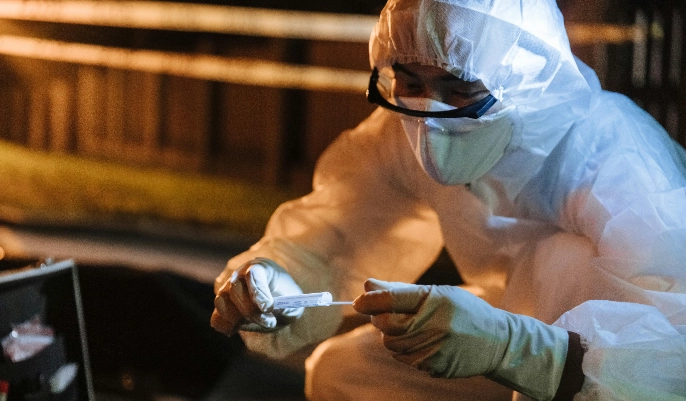
Forensic Science and Investigation: Skills, Techniques, and Career Opportunities
Professional analysing digital data on computer for forensic science and investigation course training and career development
Analyst reviewing data and reports in an office environment, representing skills and techniques learned in a forensic science and investigation course.

Forensic Science and Investigation: Skills, Techniques, and Career Opportunities

Introduction to Forensic Science and Investigation

Forensic science and investigation plays a vital role in uncovering the truth behind criminal activities, combining scientific principles with investigative techniques to support justice systems worldwide. As crime becomes more sophisticated, the need for accurate, evidence-based analysis has never been more critical. This field not only helps identify perpetrators but also ensures that innocent individuals are protected through reliable scientific methods.

Definition and Importance of Forensic Science

Forensic science refers to the application of scientific knowledge and techniques to legal matters, particularly criminal investigations. It involves collecting, preserving, analysing, and presenting evidence in a way that is admissible in court. This can include DNA analysis, fingerprint identification, toxicology reports, and digital forensics.
The importance of forensic science lies in its ability to provide objective, unbiased evidence. Unlike eyewitness accounts, which can be unreliable, forensic accounting is grounded in scientific accuracy. This makes it a cornerstone of modern investigations, helping to solve crimes more efficiently and fairly.

Role in Modern Criminal Justice Systems

In today’s criminal justice systems, forensic science is indispensable. It supports law enforcement agencies, legal professionals, and courts by offering credible evidence that can confirm or refute claims. From crime scene analysis to courtroom testimony, forensic experts contribute at every stage of the legal process.
Advancements in technology have further enhanced this role. Tools like DNA profiling, digital data recovery, and advanced imaging techniques allow investigators to solve cases that were once considered unsolvable. As a result, forensic science not only aids in securing convictions but also plays a crucial role in overturning wrongful ones.

Growing Demand for Skilled Professionals

With the rise in complex crimes such as cybercrime, financial fraud, and terrorism, the demand for trained forensic professionals is steadily increasing. Organizations across both public and private sectors are seeking individuals who can apply scientific methods to investigative challenges.
Careers in forensic science are diverse, ranging from crime scene investigators and forensic analysts to digital marketing experts and legal consultants. This growing demand highlights the importance of specialized training and education in the field.

Who This Licence is Best Suited For (Vehicle Immobiliser Licence – Where Applicable)

A Vehicle Immobiliser Licence is particularly suited for individuals working in security and enforcement roles where controlling unauthorized vehicle movement is necessary. This includes parking enforcement officers, private security personnel, and individuals involved in managing restricted or private premises.
Those pursuing roles that require legal compliance and responsible enforcement will benefit most from this licence. It ensures that professionals understand the legal boundaries, ethical considerations, and correct procedures when immobilizing vehicles. Proper training helps prevent misuse and ensures that actions taken are lawful and justified.

Passing Requirements

To successfully obtain the relevant licence, candidates must typically complete an approved training course and pass an assessment. This may include both theoretical and practical components, covering legal knowledge, operational procedures, and conflict management.
A clear understanding of regulations, professional conduct, and safety protocols is essential. Candidates must demonstrate competence in applying these principles in real-world scenarios to meet licensing standards.

Overview of What You Will Learn

By exploring this subject, learners will gain a comprehensive understanding of forensic principles, investigative techniques, and their application in real-life cases. Topics often include evidence handling, crime scene management, legal frameworks, and specialized forensic disciplines.
This knowledge not only prepares individuals for careers in forensic science but also enhances critical thinking, attention to detail, and interpersonal skills—qualities highly valued across many professions.


What is a Forensic Science and Investigation Course?

Forensic science and investigation course programmes are designed to provide learners with a strong foundation in the scientific methods and investigative techniques used to solve crimes. These courses combine theory with practical insights, helping students understand how evidence is collected, analysed, and presented within the criminal justice system. With flexible learning options now widely available, individuals can gain valuable knowledge and skills without the need for traditional classroom attendance.

Overview of a Forensic Science and Investigation Course

A forensic science course typically introduces students to the core principles of criminal investigation and scientific analysis. Topics may include crime scene management, forensic biology, fingerprint analysis, digital forensics, and legal procedures. The aim is to develop a clear understanding of how different types of evidence contribute to solving cases.
Many courses, especially those offered online, are structured to be accessible for beginners while still providing valuable insights for those looking to enhance their existing knowledge. Learners can progress at their own pace, making it ideal for both students and working professionals.

Key Objectives and Learning Outcomes

The primary objective of such a course is to equip learners with the knowledge and soft skills required to understand and apply forensic techniques. By the end of the course, students are expected to:
•    Understand the role of forensic science in criminal investigations 
•    Identify and evaluate different types of evidence 
•    Apply basic investigative techniques and procedures 
•    Develop critical thinking and analytical skills 
•    Gain awareness of legal and ethical considerations 
These learning outcomes help prepare individuals for further study or entry-level roles within the field.

Importance of Online Learning (OHSC Advantage)

Online courses learning platforms, such as those offered by Oxford Home Study Centre (OHSC), provide significant advantages for modern learners. Flexibility is one of the key benefits, allowing students to study anytime and from anywhere. This is particularly useful for individuals balancing education with work or personal commitments.
Additionally, online courses often come with accessible resources, tutor support, and self-paced modules. This approach not only reduces the pressure of strict deadlines but also allows learners to fully grasp each topic before moving forward. OHSC courses are also cost-effective, making quality education more accessible to a wider audience.

Who Should Consider Enrolling

A forensic science course is suitable for a wide range of individuals. It is ideal for students interested in criminal justice, law enforcement, or scientific careers. It is also beneficial for professionals already working in security, policing, or legal fields who wish to enhance their expertise.
Additionally, anyone with a curiosity about how crimes are solved or how scientific evidence is used in court can benefit from enrolling. No prior experience is usually required, making it an excellent starting point for beginners.

Who This Licence is Best Suited For (Vehicle Immobiliser Licence – Where Applicable)

A Vehicle Immobiliser Licence is best suited for individuals involved in security operations where vehicle control is necessary. This includes parking enforcement officers, security staff, and those managing private or restricted areas.
Professionals in these roles must understand legal guidelines and ethical practices when immobilising vehicles. Proper licensing ensures that individuals carry out their responsibilities lawfully and professionally, reducing the risk of disputes or legal complications.

Passing Requirements

To successfully complete the course or obtain the relevant licence, learners are typically required to pass an skills assessment. This may include multiple-choice questions, written assignments, or practical evaluations depending on the course structure.
Candidates must demonstrate a clear understanding of key concepts, legal responsibilities, and practical applications. Consistent study and engagement with course materials are essential to meet the required standards and achieve certification.


Core Areas of Forensic Science and Investigation

Forensic science and investigation course content covers a wide range of specialised fields that work together to uncover evidence and support criminal justice processes. Each core area focuses on a different type of evidence or investigative technique, ensuring that crimes are examined thoroughly and accurately. Understanding these areas is essential for anyone looking to build a career in this field or enhance their knowledge of how modern investigations operate.

Crime Scene Investigation

Crime scene investigation is often the starting point of any forensic process. It involves the careful collection, preservation, and documentation of physical evidence found at a scene. Investigators must follow strict procedures to avoid contamination and ensure that all evidence is admissible in court.
This area requires strong attention to detail, as even the smallest piece of evidence can be crucial. Professionals are trained to observe patterns, take photographs, collect samples, and record findings systematically. Effective crime scene investigation lays the foundation for all subsequent forensic analysis.

Forensic Biology and DNA Analysis

Forensic biology focuses on the examination of biological evidence such as blood, hair, saliva, and other bodily fluids. DNA analysis is one of the most powerful tools in this field, allowing investigators to identify individuals with a high degree of accuracy.
By comparing DNA samples collected from a crime scene with those of suspects or databases, forensic experts can establish connections that are often critical in solving cases. This area has revolutionised criminal investigations and continues to play a key role in both convictions and exonerations.

Forensic Chemistry and Toxicology

Forensic chemistry involves analysing chemical substances related to a crime, such as drugs, explosives, or unknown materials. Toxicology, a branch of this field, focuses specifically on detecting poisons, alcohol, and other toxic substances in the human body.
These analyses help determine causes of death, identify illegal substances, and provide crucial evidence in cases involving poisoning or drug-related offences. Accuracy and precision are essential, as findings often have significant legal implications.

Digital Forensics and Cybercrime

With the rapid growth of technology, digital forensics has become an increasingly important area. It involves the recovery and analysis of data from electronic devices such as computers, smartphones, and networks.
Digital forensic experts investigate cybercrimes including hacking, identity theft, and online fraud. They also retrieve deleted or hidden data that can serve as evidence in criminal cases. This field requires both technical expertise and an understanding of legal procedures related to digital evidence.

Ballistics and Fingerprint Analysis

Ballistics focuses on the study of firearms, ammunition, and the effects they produce. Experts analyse bullets, cartridge cases, and gunshot residues to determine the type of weapon used and its connection to a crime.
Fingerprint analysis, on the other hand, is one of the oldest and most reliable forensic techniques. Every individual has unique fingerprints, making them a valuable tool for identification. By comparing prints found at a crime scene with existing records, investigators can link suspects to specific locations or objects.

Who This Licence is Best Suited For (Vehicle Immobiliser Licence – Where Applicable)

A Vehicle Immobiliser Licence is particularly suited for individuals working in roles that involve controlling or restricting vehicle movement. This includes parking enforcement officers, private security personnel, and those responsible for managing access to private properties.
Such professionals must understand legal regulations and ethical practices to ensure that vehicle immobilisation is carried out correctly. Proper licensing helps maintain professionalism and reduces the risk of legal disputes.

Passing Requirements

To successfully complete the course or obtain the relevant licence, candidates must meet specific assessment criteria. This usually involves completing coursework, passing written exams, or demonstrating practical skills where required.
A solid understanding of forensic principles, legal responsibilities, and safe working practices is essential. Learners who stay engaged with the material and apply their knowledge effectively are more likely to meet the required standards and achieve certification.


Essential Skills in Forensic Science and Investigation

Forensic science and investigation requires a unique combination of technical knowledge and practical skills to effectively analyse evidence and support criminal cases. Professionals in this field must be highly trained, detail-oriented, and capable of making accurate judgments under pressure. Developing these essential skills is crucial for anyone pursuing a career or education in forensic science.

Analytical and Critical Thinking

One of the most important skills in forensic science is the ability to think analytically and critically. Investigators are often presented with complex evidence that requires careful interpretation. They must evaluate data, identify patterns, and draw logical conclusions based on scientific findings.
Critical thinking also involves questioning assumptions and considering alternative explanations. This ensures that conclusions are not only accurate but also unbiased. Strong communication skills enable forensic professionals to connect different pieces of evidence and build a clear picture of what happened.

Attention to Detail

Attention to detail is essential in every aspect of forensic work. Even the smallest oversight can lead to incorrect conclusions or missed evidence. Whether examining a crime scene or analysing laboratory results, precision is key.
Forensic experts must carefully document their findings, ensuring that all information is accurate and complete. This level of detail is crucial, especially when evidence is presented in court, where accuracy can significantly impact the outcome of a case.

Problem-Solving Skills

Forensic investigations often involve solving complex problems with limited information. Professionals must think creatively and logically to uncover hidden details and piece together evidence.
Problem-solving skills help investigators deal with unexpected challenges, such as incomplete data or conflicting evidence. By applying scientific methods and logical reasoning, they can overcome obstacles and move investigations forward effectively.

Communication and Report Writing

Clear communication is vital in forensic science, as findings must be presented to law enforcement officials, legal professionals, and sometimes juries. Forensic experts need to explain complex scientific concepts in a way that is easy to understand.
Report writing is a key part of this process. Reports must be well-structured, precise, and free from ambiguity. Accurate documentation ensures that evidence is properly interpreted and can be relied upon in legal proceedings.

Ethical Judgment and Integrity

Ethical judgment and integrity are fundamental to the credibility of forensic science. Professionals must remain objective and unbiased, regardless of external pressures. Their primary responsibility is to present truthful and accurate findings.
Maintaining ethical standards ensures that justice is served fairly. Any compromise in integrity can lead to serious consequences, including wrongful convictions or dismissed cases. Therefore, strong moral principles are essential in this field.

Who This Licence is Best Suited For (Vehicle Immobiliser Licence – Where Applicable)

A Vehicle Immobiliser Licence is best suited for individuals working in roles where controlling vehicle access is part of their responsibilities. This includes parking enforcement officers, security personnel, and those managing private or restricted areas.
Such individuals must understand the legal framework and ethical considerations surrounding vehicle immobilisation. Proper licensing ensures that actions are carried out lawfully, professionally, and with respect for public rights.

Passing Requirements

To successfully complete a course or obtain the relevant licence, candidates are typically required to pass an assessment. This may include written exams, coursework, or practical evaluations depending on the programme.
Candidates must demonstrate a strong understanding of key skills, legal responsibilities, and professional standards. Consistent study, attention to course materials, and practical application of knowledge are essential to meet the required criteria and achieve certification.


Techniques Used in Forensic Science and Investigation

Forensic Science and Investigation course training introduces learners to a wide range of techniques used to gather, analyse, and interpret evidence in criminal cases. These techniques are essential for ensuring that investigations are accurate, reliable, and legally sound. As technology evolves, modern forensic methods continue to advance, making investigations more efficient and precise.

Evidence Collection and Preservation

The foundation of any forensic investigation begins with proper evidence collection and preservation. Investigators must carefully gather physical evidence from crime scenes without contaminating or damaging it. This includes items such as fingerprints, biological samples, weapons, and trace materials.
Preservation is equally important, as evidence must be stored in a controlled environment to maintain its integrity. Proper labelling, documentation, and chain-of-custody procedures ensure that evidence remains admissible in court. Any mistake during this stage can compromise the entire investigation.

Laboratory Analysis Methods

Once evidence is collected, it is sent to forensic laboratories for detailed examination. Laboratory analysis involves a variety of scientific methods, including DNA testing, chemical analysis, and microscopic examination.
These methods help identify substances, match biological samples, and uncover hidden details that are not visible to the naked eye. Skilled forensic scientists use specialised equipment to ensure accurate and reliable results. Laboratory findings often play a crucial role in confirming facts and supporting legal arguments.

Use of Forensic Tools and Technologies

Modern forensic investigations rely heavily on advanced tools and technologies. Equipment such as fingerprint scanners, digital imaging systems, and automated DNA analysers enhance the speed and accuracy of investigations.
Technology also allows for better documentation and reconstruction of crime scenes. For example, 3D imaging tools can recreate crime scenes for analysis and courtroom presentations. These innovations make it easier for investigators to visualise events and present clear evidence.

Interview and Interrogation Support Techniques

Although forensic science is primarily evidence-based, it also supports interview and interrogation processes. Investigators use forensic findings to guide questioning and verify statements made by suspects or witnesses.
Techniques such as behavioural analysis and statement comparison help identify inconsistencies and uncover the truth. While forensic experts may not conduct interrogations directly, their work provides valuable insights that strengthen investigative strategies.

Role of AI and Digital Tools in Modern Investigations

Artificial Intelligence  and digital tools are transforming the field of forensic science. AI can analyse large volumes of data and identify patterns that might be missed by human investigators. This is particularly useful in areas such as facial recognition, digital forensics, and predictive analysis.
Digital tools also assist in recovering deleted files, tracking online activity, and analysing cybercrime evidence. As technology continues to evolve, AI is expected to play an even greater role in improving the efficiency and accuracy of forensic investigations.

Who This Licence is Best Suited For (Vehicle Immobiliser Licence – Where Applicable)

A Vehicle Immobiliser Licence is ideal for individuals working in roles that involve controlling or restricting vehicle movement. This includes parking enforcement officers, security staff, and those responsible for managing private or restricted premises.
Professionals in these roles must have a clear understanding of legal regulations and ethical practices. Licensing ensures that vehicle immobilisation is carried out responsibly and in compliance with the law, reducing the risk of disputes or legal issues.

Passing Requirements

To successfully complete the course or obtain the relevant licence, candidates must meet specific assessment criteria. This typically includes passing written tests, completing coursework, or demonstrating practical knowledge where required.
A strong understanding of forensic techniques, legal responsibilities, and professional standards is essential. Learners who stay committed to their studies and apply their knowledge effectively are more likely to achieve certification and succeed in this field.


Benefits of Studying a Forensic Science and Investigation Course

Forensic Science and Investigation course programmes offer a wide range of benefits for individuals looking to build a career in criminal justice, security, or scientific research. These courses are designed to equip learners with practical knowledge, industry-relevant skills, and recognised certifications that can open doors to various professional opportunities. With the growing demand for forensic experts, studying this field can be both rewarding and career-enhancing.

Career Advancement Opportunities

One of the key benefits of studying a forensic science course is the potential for career growth. Whether you are starting your professional journey or looking to upskill, this qualification can significantly enhance your employment prospects.
Graduates can pursue roles such as crime scene investigators, forensic analysts, laboratory technicians, or even positions within law enforcement agencies. For those already working in related fields like security or policing, this course provides an opportunity to advance into specialised roles with greater responsibility and higher earning potential.

Flexibility of Online Learning

Modern forensic science courses, particularly those offered online, provide unmatched flexibility. Learners can study at their own pace, making it easier to balance education with work, family, or other commitments.
Online continuing education platforms eliminate the need for travel and allow access to study materials anytime, anywhere. This flexibility is especially beneficial for individuals who may not have access to traditional classroom-based education. It also enables learners to revisit complex topics and fully understand each concept before progressing.

Industry-Relevant Knowledge and Skills

A forensic science course is carefully designed to provide practical, real-world knowledge. Students learn about crime scene procedures, evidence analysis, and modern investigative techniques that are directly applicable in professional settings.
This industry-focused approach ensures that learners are well-prepared to handle real challenges in the workplace. Skills such as analytical thinking, problem-solving, and attention to detail are developed throughout the course, making graduates valuable assets in various sectors.

Professional Credibility and Certification

Completing a recognised course adds credibility to your professional profile. Certification demonstrates your commitment to learning and your understanding of forensic principles, which can make you stand out to employers.
It also builds confidence, as you gain a structured understanding of the field and its practical applications. For individuals seeking to establish themselves in forensic science or related industries, certification is an important step toward professional recognition.

Global Career Prospects

Forensic science is a globally recognised field, and the skills gained from such a course are transferable across different countries and industries. This opens up international career opportunities for qualified professionals.
From working with law enforcement agencies to contributing to private investigations or corporate security, the possibilities are vast. As crime continues to evolve worldwide, the need for skilled forensic experts remains strong, making this a future-proof career choice.

Who This Licence is Best Suited For (Vehicle Immobiliser Licence – Where Applicable)

A Vehicle Immobiliser Licence is best suited for individuals working in roles that involve managing or controlling vehicle access. This includes parking enforcement officers, private security personnel, and individuals responsible for overseeing restricted or private areas.
Such professionals must be aware of legal requirements and ethical responsibilities when immobilising vehicles. Proper licensing ensures that they operate within the law and maintain professional standards, reducing the risk of disputes or legal issues.

Passing Requirements

To successfully complete the course or obtain the relevant licence, candidates are typically required to pass an assessment. This may include written exams, coursework, or practical evaluations depending on the course structure.
A strong understanding of course content, legal guidelines, and professional practices is essential. Learners who stay committed, actively engage with the material, and apply their knowledge effectively are more likely to meet the required standards and achieve certification.


Who Should Enrol in a Forensic Science and Investigation Course?

Forensic science and investigation is an exciting and rapidly growing field that attracts individuals from diverse educational and professional backgrounds. A structured course in this area is designed to be accessible, making it suitable for both beginners and experienced professionals who want to expand their expertise. Whether you are looking to start a new career or enhance your current role, this course can provide valuable knowledge and practical skills.

Students Interested in Criminal Justice

Students who have a strong interest in criminal justice, law, or science will find this course highly beneficial. It provides a solid foundation in how crimes are investigated and how scientific methods are applied to solve them.
For those planning to pursue higher education or careers in criminology, policing, or legal studies, this course serves as an excellent starting point. It introduces key concepts and builds essential skills that are useful for further academic and professional development.

Law Enforcement Professionals

Police officers and other law enforcement personnel can greatly benefit from enrolling in a forensic science course. It enhances their understanding of evidence handling, crime scene procedures, and investigative techniques.
This additional knowledge can improve job performance and open up opportunities for specialised roles within their departments. It also helps professionals stay updated with the latest advancements in forensic technology and investigative methods.

Legal and Compliance Professionals

Legal practitioners, compliance officers, and individuals working within the justice system can gain valuable insights from this course. Understanding forensic evidence and how it is analysed can strengthen their ability to build or challenge cases.
This knowledge is particularly useful in court proceedings, where the interpretation of evidence plays a crucial role. It allows legal professionals to make more informed decisions and present stronger arguments.

Security and Investigation Enthusiasts

Individuals working in private security or those with a keen interest in investigative work will also find this course relevant. It provides practical knowledge that can be applied in real-world scenarios, such as surveillance, evidence handling, and incident analysis.
Even for enthusiasts, the course offers an opportunity to explore the fascinating world of forensic science and understand how investigations are conducted professionally.

Career Changers Seeking New Opportunities

For those looking to switch careers, forensic science offers a promising and rewarding path. This course is ideal for individuals who want to enter a new field without prior experience.
With flexible learning options, especially through online platforms, career changers can study at their own pace while managing their current responsibilities. The skills gained are transferable and can lead to various roles across multiple industries.

Who This Licence is Best Suited For (Vehicle Immobiliser Licence – Where Applicable)

A Vehicle Immobiliser Licence is particularly suited for individuals working in roles that involve controlling or restricting vehicle movement. This includes parking enforcement officers, security personnel, and those responsible for managing private or restricted premises.
Such roles require a clear understanding of legal regulations and ethical responsibilities. Proper licensing ensures that individuals perform their duties professionally and within the boundaries of the law.

Passing Requirements

To successfully complete the course or obtain the relevant licence, candidates must meet specific assessment requirements. This may include completing coursework, passing written exams, or demonstrating practical knowledge.
A strong understanding of key concepts, legal responsibilities, and professional standards is essential. Consistent effort, engagement with learning materials, and practical application of knowledge will help learners meet the required criteria and achieve certification successfully.


Career Opportunities in Forensic Science and Investigation

Forensic science and investigation offers a wide range of exciting and rewarding career opportunities across both public and private sectors. As crime becomes more complex and technology-driven, the demand for skilled forensic professionals continues to grow. Individuals trained in this field can pursue diverse roles that combine scientific expertise with investigative skills, making it a dynamic and impactful career path.

Forensic Scientist

Forensic scientists play a critical role in analysing physical evidence collected from crime scenes. They work in laboratories, using scientific techniques to examine materials such as DNA, chemicals, and trace evidence.
Their findings help establish facts and support legal cases. This role requires strong analytical skills, attention to detail, and a solid understanding of scientific principles. Forensic scientists often collaborate with law enforcement agencies and legal professionals to ensure accurate and reliable results.

Crime Scene Investigator

Crime scene investigators (CSIs) are responsible for collecting and documenting evidence at crime scenes. They ensure that all materials are handled properly to avoid contamination and maintain their integrity.
This role involves photographing scenes, gathering samples, and recording observations. CSIs must work methodically and remain calm under pressure, as their work forms the foundation of any forensic investigation. It is a highly practical role that requires both technical knowledge and field experience.

Forensic Analyst

Forensic analysts specialise in examining specific types of evidence, such as fingerprints, digital data, or biological samples. They use advanced tools and technologies to interpret findings and produce detailed reports.
Their work supports investigations by providing expert insights into evidence. Forensic analysts often testify in court, explaining their results in a clear and understandable manner. Strong communication and technical skills are essential for success in this role.

Digital Forensic Expert

With the rise of cybercrime, digital forensic experts are in high demand. These professionals focus on recovering and analysing data from electronic devices, including computers, smartphones, and networks.
They investigate crimes such as hacking, identity theft, and online fraud. Digital forensic experts must stay updated with the latest technologies and cybersecurity practices. Their work is crucial in uncovering digital evidence and supporting modern investigations.

Fraud Investigator and Compliance Officer

Fraud investigators and compliance officers work to detect and prevent financial crimes within organisations. They analyse financial records, identify irregularities, and ensure that businesses follow legal and regulatory standards.
These roles are common in banks, corporations, and government agencies. Professionals in this field must have strong analytical abilities, ethical judgment, and knowledge of financial systems. Their work helps protect organisations from financial loss and legal issues.

Opportunities in Public and Private Sectors

Career opportunities in forensic science are not limited to government roles. While many professionals work with police departments, forensic laboratories, and legal institutions, there is also a growing demand in the customer services private sector .
Private investigation firms, corporate security departments, insurance companies, and cybersecurity organisations all require forensic expertise. This diversity of opportunities allows individuals to choose career paths that align with their interests and skills.

Who This Licence is Best Suited For (Vehicle Immobiliser Licence – Where Applicable)

A Vehicle Immobiliser Licence is best suited for individuals working in roles that involve managing or restricting vehicle access. This includes parking enforcement officers, private security personnel, and those responsible for overseeing restricted or private premises.
Professionals in these roles must understand legal requirements and ethical practices when immobilising vehicles. Proper licensing ensures that duties are carried out lawfully and professionally, reducing the risk management of disputes.

Passing Requirements

To successfully complete the course or obtain the relevant licence, candidates must meet specific assessment criteria. This may include written examinations, coursework, or practical evaluations depending on the programme.
A clear understanding of forensic concepts, legal responsibilities, and professional standards is essential. Learners who remain dedicated, actively engage with course materials, and apply their knowledge effectively are more likely to achieve certification and succeed in their chosen careers.


Conclusion

Forensic science and investigation is a vital and evolving field that combines scientific knowledge with investigative techniques to support justice systems worldwide. Throughout this guide, we have explored its core areas, essential skills, and modern techniques that help professionals analyse evidence and solve complex cases. The importance of online colleges learning in this field cannot be overstated, as advancements in technology and crime trends require professionals to stay updated and adaptable. Enrolling in a Forensic Science and Investigation course with OHSC provides a flexible and practical pathway to gain industry-relevant knowledge, build professional credibility, and access global career opportunities. Additionally, for individuals in security-related roles, a Vehicle Immobiliser Licence is best suited for those responsible for managing vehicle access, such as parking enforcement officers and private security personnel. To succeed, candidates must meet passing requirements through assessments that test their understanding of legal responsibilities, procedures, and practical application, ensuring they are fully prepared to operate professionally and within the law.

Frequently Asked Questions

Yes. All Forensic Accounting Courses at Oxford Home Study College (OHSC) are provided through flexible distance learning. You can access modules, resources, and assessments anytime through our online learning portal.

No prior background is required. Our courses are structured so beginners can start from the fundamentals, while experienced learners can use the material to enhance existing forensic accounting knowledge.

No. The price shown on the course page is the full cost, including tutor support, study materials, and registration. Optional certificate upgrades are available but never mandatory.

Yes. All learners receive expert tutor assistance throughout their studies. Your tutor will guide you through challenging topics and answer queries related to assignments and learning outcomes.

Absolutely. OHSC welcomes learners worldwide, and all accredited online certificate programs in forensic accounting can be completed from any country with an Internet connection.

What is Forensic Accounting?It is a specialist branch of accounting that focuses on investigating financial discrepancies, fraud detection, litigation support, and analysing financial data for legal purposes. Our courses cover these concepts in depth.

Yes. Whether you are new to the field or upskilling, our forensic accounting courses introduce the core principles required for anyone exploring How to Become a Forensic Accountant? and entering this specialist profession.

There are no formal qualifications required. Our programmes are open to all learners and provide a strong foundation for those considering further study in accounting, auditing, or fraud examination.

The timeline varies for each learner. Studying with OHSC is fully self-paced, meaning you can complete your chosen course in a time frame that suits your personal and professional commitments.

Yes. Completing one of our accredited online certificate programs can strengthen your professional profile, offering valuable knowledge for roles in financial investigation, compliance, auditing, and fraud risk management.