
Courses
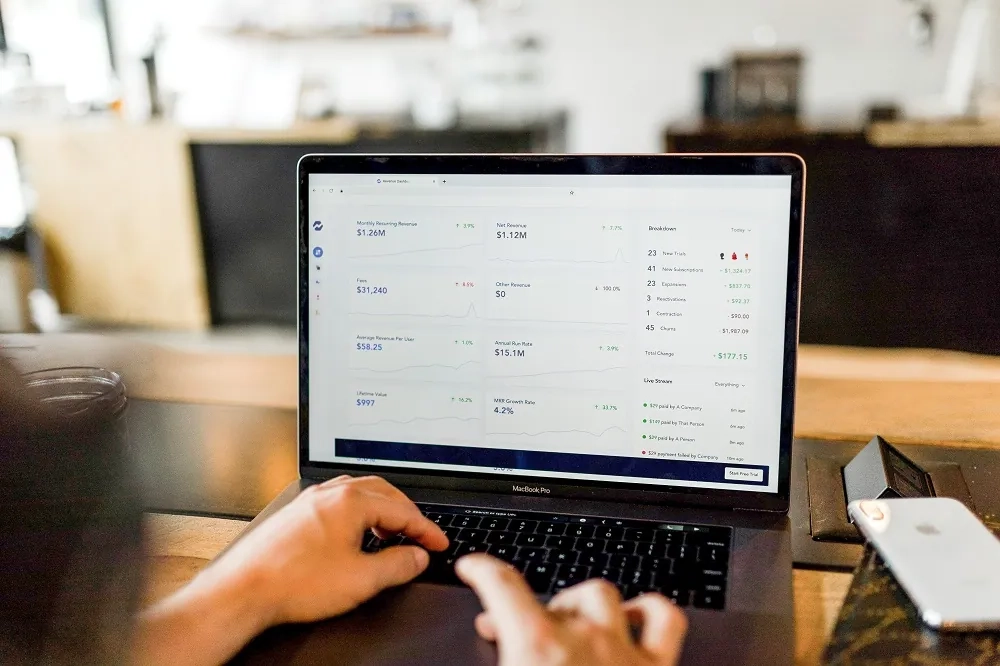
At Oxford Home Study Centre, learners can explore accounting knowledge through flexible online study, while this guide focuses specifically on Remote Accounting Careers and the practical realities of working in finance away from a traditional office. Remote work can suit many accounting activities, but the suitability of a role depends on the employer, the work involved, data-security requirements and the experience or professional status expected.
If you are building or refreshing your finance knowledge, the OHSC course catalogue provides a broader view of current study options. This article is not a course catalogue and does not promise a particular job. Instead, it explains common work-from-home accounting positions, the skills remote teams value, the technology involved, and sensible ways to prepare for applications in today’s employment market.
Remote finance work ranges from transactional support and bookkeeping to reporting, analysis, audit support, tax work and management. Some positions may be fully remote; others are hybrid or require occasional attendance. Job titles are also inconsistent between employers, so always read the duties, location rules and qualification requirements rather than relying on the title alone.
Remote accounting means carrying out accounting or finance responsibilities using digital systems while working away from the employer’s main office for some or all of the working week. The underlying responsibilities do not become less important because the work is remote. Records still need to be accurate, deadlines still matter, confidential information must be protected and colleagues still need clear communication.
The practical difference is how the work is coordinated. Instead of passing documents across a desk, teams may use cloud accounting platforms, shared document systems, secure portals, video meetings, workflow tools and digital approval processes. A remote worker therefore needs both finance knowledge and the discipline to work effectively through digital systems.
Remote arrangements can also change the rhythm of the job. Questions that might be resolved in a quick office conversation may require a written message or scheduled call. Good documentation, clear handovers and careful file management become especially important.
The following roles illustrate where remote or hybrid arrangements may appear. They are examples rather than promises that every employer offers these jobs remotely.
Accounts assistants can support routine finance processes such as invoice handling, transaction checking, account updates and administrative tasks. Some roles are suitable for remote work when records and approval workflows are digital. Entry requirements vary, and employers may look for prior office, bookkeeping or accounting experience.
Bookkeeping often involves recording transactions, maintaining ledgers, reconciling accounts and organising financial records. Because much of this work can be completed through digital accounting systems, remote opportunities exist. Readers deciding between the two disciplines may find the OHSC guide to bookkeeping and accounting differences useful before choosing a direction.
These roles focus on money owed by or to an organisation. Typical responsibilities may include processing invoices, matching records, monitoring payment status, resolving discrepancies and communicating with suppliers or customers. Remote suitability depends heavily on the organisation’s systems and controls.
Payroll work can include maintaining employee pay information, checking changes, processing routine data and supporting payroll deadlines. Accuracy and confidentiality are particularly important. Payroll rules and responsibilities vary by jurisdiction, so employers may require relevant experience or specialist knowledge.
Management accounting teams use financial information to support internal planning, budgeting, cost control and performance review. Remote roles may involve preparing schedules, checking data, updating reports and communicating findings. More advanced responsibilities generally require stronger accounting knowledge and experience.
Analysts work with financial and operational data to identify patterns, compare performance and support decisions. Remote analysis is technically possible because much of the work is digital, but employers may expect strong spreadsheet, reporting, modelling and communication skills. The title can cover very different levels of responsibility.
Some tax-related work can be completed remotely, including document review, calculations, return preparation and client communication. Tax is jurisdiction-specific and can involve professional or regulatory requirements. A general online course should not be treated as a substitute for any qualification, authorisation or supervised experience required for a particular tax role.
Digital records and secure collaboration can allow parts of audit work to be performed remotely. However, some assignments require site visits, physical verification, client meetings or other in-person procedures. Remote audit work therefore depends on the engagement and the employer’s methodology rather than on the job title alone.
Organisations increasingly need people who can maintain reporting processes, work with finance systems, check data quality and help users follow standard workflows. These positions sit between accounting operations, systems and reporting, and can suit people who combine financial understanding with strong digital skills.
Experienced professionals may supervise distributed teams, review work, manage deadlines, allocate tasks and communicate with senior stakeholders remotely. Leadership at a distance requires deliberate communication and strong controls. Employers normally expect substantial relevant experience for these positions.
There is genuine overlap, but the two search intents should not be treated as identical. Bookkeeping is primarily concerned with accurate day-to-day financial records, while accounting can extend into reporting, analysis, tax, audit, management information and decision support. OHSC has a separate guide focused specifically on remote bookkeeping jobs; this page retains the broader accounting-career focus.
For beginners, bookkeeping can sometimes provide a useful foundation because it develops familiarity with transactions, ledgers, reconciliation and financial documentation. Progression into accounting roles may require further study, experience or professional qualifications depending on the position and jurisdiction.
Accounting fundamentals — understanding transactions, financial records and the purpose of core reports.
Accuracy and attention to detail — checking work carefully and recognising inconsistencies before they become larger problems.
Spreadsheet and digital confidence — using spreadsheets, accounting platforms and shared systems efficiently.
Written communication — explaining questions, actions and exceptions clearly when colleagues are not in the same room.
Time management — organising recurring deadlines, priority tasks and follow-ups without constant supervision.
Confidentiality and security awareness — handling financial, employee and customer information in line with employer procedures.
Problem-solving — investigating discrepancies and knowing when an issue needs escalation.
Remote collaboration — maintaining useful handovers, meeting notes and status updates across distributed teams.
Different roles weight these skills differently. A junior accounts position may emphasise accuracy and process discipline, while a senior analyst or manager may need stronger judgement, interpretation and stakeholder communication.
Remote finance work is enabled by technology, but there is no single software package that every employer uses. Common categories include cloud accounting systems, spreadsheets, expense platforms, payroll tools, document-management systems, communication software and workflow or approval tools.
It is more useful to understand the purpose of these tools than to memorise a long list of brand names. Employers may use different platforms, and software changes. If you can explain how you reconcile records, protect data, document an adjustment or check a report, you demonstrate transferable understanding rather than narrow familiarity with one interface.
When practising with any software, use fictional or appropriately anonymised data. Never upload confidential employer, client or personal financial information to an unauthorised service.
Accounting work can involve sensitive financial and personal information. Remote staff should follow the employer’s approved security procedures, not improvise their own. Requirements may include managed devices, multi-factor authentication, secure networks, restricted file storage, approved communication channels and clear rules for printing or disposing of documents.
A home workspace also needs practical privacy. Screens should not be visible to unauthorised people, confidential calls should not be overheard, and work devices should not be casually shared. If an employer provides a security policy, that policy takes priority over general advice.
Preparation is strongest when it combines subject knowledge, evidence of careful work and remote-working habits. Start by reading several genuine job descriptions for the type of role you want. Record the responsibilities and skills that appear repeatedly, then compare them with your current experience.
Strengthen gaps in accounting fundamentals rather than applying indiscriminately.
Practise explaining finance tasks clearly in writing, including how you would report a discrepancy.
Build confidence with spreadsheets and digital record-keeping.
Prepare examples showing accuracy, organisation, confidentiality and meeting deadlines.
Tailor your CV to the responsibilities in each vacancy rather than copying a generic remote-work profile.
Check whether the vacancy is genuinely remote, hybrid, location-restricted or tied to specific working hours.
Verify the employer and recruitment process before sharing identity or financial information.
Learners who want structured finance study can compare current online accounting courses on the OHSC subject page. Course features, levels, assessments and certification vary, so the individual course record should be checked before enrolment.
For those who want to explore the subject before committing to paid study, OHSC also provides free accounting training. The current free-course record states that study access and learning materials are free, while optional certificates are paid products. This distinction matters: free learning should not be described as a free professional qualification or a guarantee of employment.
Online study can help you understand terminology, principles and processes, but employers decide what qualifications and experience they require. Some accounting, tax and audit positions may also be connected to professional-body or jurisdiction-specific requirements. Check the role itself before assuming that a particular course is sufficient.
A useful CV connects your evidence to the work. Instead of writing only that you are “detail-oriented”, show where accuracy mattered: reconciling records, checking invoices, maintaining a spreadsheet, meeting a reporting deadline or resolving a discrepancy. Where possible, describe the scope of the responsibility without revealing confidential information.
For remote roles, include relevant experience with digital collaboration, independent task management and secure handling of information. If you have studied accounting but have limited work experience, describe the learning accurately. Do not present course exercises as paid client work or imply professional status you do not hold.
Is the role fully remote, hybrid or remote only within a particular country or region?
What working hours, time-zone overlap or availability are expected?
Which equipment and systems does the employer provide?
How are confidential records accessed, stored and shared?
How is work reviewed and how often does the team communicate?
Are there in-person meetings, audits, training sessions or site visits?
What qualifications, licences or professional memberships are required for the actual duties?
These questions help distinguish genuine flexibility from a role that simply relocates office responsibilities into the home. They also reveal whether the organisation has thought seriously about remote controls, communication and support.
Remote vacancies can attract fraudulent recruitment activity. Be cautious about unsolicited offers, requests for money, pressure to buy equipment from a specified individual, requests for banking credentials, or recruitment conducted entirely through unusual messaging channels. Check the employer through independently located contact details and read the vacancy on its official careers site where possible.
A legitimate recruitment process can still request personal information at appropriate stages, but you should understand who is collecting it and why. Never send passwords, card PINs or online-banking credentials to a recruiter.
|
Week |
Practical focus |
|
Week 1 |
Choose two target job titles and compare real vacancy requirements. |
|
Week 2 |
Refresh accounting fundamentals and practise spreadsheet or reconciliation tasks. |
|
Week 3 |
Update your CV with evidence of accuracy, digital working and communication. |
|
Week 4 |
Apply selectively, verify employers and prepare examples for remote interviews. |
The plan is deliberately simple. The goal is not to become qualified for every accounting role in a month, but to replace vague job searching with targeted preparation. If vacancies consistently require a qualification or experience you do not have, treat that as useful information for your longer-term development plan.
They are accounting or finance roles performed away from a traditional office for some or all of the working week. The duties can range from transaction support and bookkeeping to analysis, reporting, tax, audit support and management.
Possible examples include accounts support, bookkeeping, payables or receivables, payroll support, analysis, reporting and some tax or audit tasks. Remote availability depends on the employer and the duties.
Some junior roles may be advertised remotely, but entry requirements vary. Beginners should compare real vacancies and build the accounting, digital and communication skills those employers request.
It depends on the role. Some support positions may accept relevant skills and experience, while professional or specialist accounting roles can require formal qualifications, membership or jurisdiction-specific credentials.
No. Bookkeeping focuses mainly on maintaining accurate transaction records, while accounting can extend into reporting, analysis, tax, audit and decision support. There is overlap between the two.
There is no universal package. Build confidence with spreadsheets, digital records and the principles behind accounting systems, then learn the specific platforms commonly requested in vacancies you are targeting.
OHSC offers both paid accounting programmes and free introductory accounting study. On the verified free-course record, study access and learning materials are free while optional certificates are paid.
No. A course can support knowledge development, but employment depends on the vacancy, employer criteria, experience, qualifications, location and performance in the recruitment process.
Use evidence: managing deadlines independently, collaborating through digital tools, maintaining accurate records, communicating clearly in writing and following confidentiality procedures.
Verify the employer independently, use official careers pages where possible, be cautious about requests for money or banking credentials, and question recruitment processes that create unusual pressure or secrecy.
Remote accounting work is not a separate profession; it is a different way of organising finance responsibilities. The strongest candidates still need the fundamentals: accurate work, sound accounting knowledge, responsible handling of information, clear communication and the ability to meet deadlines.
If working from home is your goal, choose a specific type of accounting role, study the requirements employers actually publish and build evidence around the gaps you find. Use online learning where it serves a clear purpose, verify the status of any certificate or qualification, and keep expectations realistic. A targeted approach gives you a stronger basis for pursuing remote opportunities without assuming that every finance job can or should be performed entirely from home.
Yes. Our Accounting and Finance online programmes are designed for independent learning. You decide your study hours, and there are no expiry dates or submission deadlines.
No classroom visits are required. All activities, readings, and assessments are completed entirely online through our user-friendly learning portal.
The fee shown on the course page already includes your study materials, registration, and tutor support. Only optional certificate upgrades carry an additional fee.
You'll be supported by a professional tutor with expertise in finance and accounting practices. Your tutor will assist with complex topics, review your assignments, and offer guidance whenever you need it.
Yes. Learners from any country can access our Accounting Online Courses as long as they have a reliable internet connection.
Beginners usually start with our foundational programmes. These courses explain essential topics such as bookkeeping systems, financial statements, and accounting terminology—ideal for learners with no prior experience.
A laptop, desktop, or tablet with internet access is all you need. All materials for our online accounting courses are provided digitally, so no additional software is required.
Yes. Every unit—from introductory modules to final assessments—is delivered online. You can complete the entire qualification remotely.
Once you successfully complete the course, you can request either anendorsed certificate from the Quality Licence Scheme (QLS) or a CPD Certificate issued by the CPD Standards Office.
Depending on the course level you choose, you could pursue roles such as finance assistant, payroll support officer, junior bookkeeper, accounts trainee, or billing clerk. With further study, pathways into advanced accounting or professional accreditation may become available.